
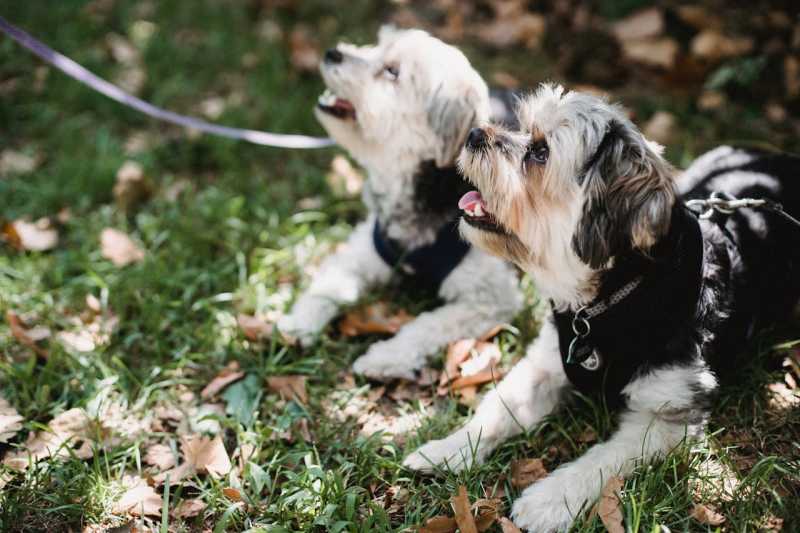
The foundation of any successful dog training is a strong, positive connection between you and your dog. This connection is not just about teaching your dog behaviors on cue but about understanding, communication, and trust. Through positive reinforcement dog training, you can form a bond that is not only built on respect but also on joy, patience, and mutual understanding.
Connecting with your dog goes beyond simple obedience. It’s about building a relationship that fosters trust, cooperation, and emotional security. Just like any meaningful relationship, it requires time, patience, and effective communication.
When we talk about the “art” of connection, we’re referring to the balance of meeting your dog’s needs while simultaneously teaching them how to navigate the world around them. It’s an art because it requires intention, consistency, and a deep understanding of your dog’s behavior.
The Power of Positive Reinforcement
Positive reinforcement is the cornerstone of effective, humane dog training. This training method focuses on rewarding good behavior rather than punishing unwanted behavior. By emphasizing rewards, you create an environment where your dog is motivated to repeat behaviors that result in positive outcomes.
But positive reinforcement is not just about giving treats or praise. It’s about recognizing what makes your dog tick and using that knowledge to strengthen the bond between you.
How Positive Reinforcement Strengthens the Connection
Encourages Trust
Positive reinforcement encourages trust between you and your dog. When your dog knows that they will be rewarded for good behavior (whether with treats, praise, or toys), they are more likely to look to you for guidance. This trust is key to forming a positive bond. Dogs that trust their owners are more willing to listen, follow cues, and engage in training.
Promotes Clear Communication
One of the core aspects of positive reinforcement is clarity. By rewarding your dog immediately after they perform the desired behavior, you teach them exactly what action led to the reward. This clarity in communication helps reduce frustration for both you and your dog and makes training more effective and enjoyable.
Reinforces Positive Associations
Dogs learn through associations. When training is based on positive reinforcement, your dog begins to associate you, your voice, and your presence with good things. Treats, praise, play, and affection. Over time, this association builds a positive emotional bond that fosters a deeper connection.
Reduces Stress and Anxiety
Training based on positive reinforcement is non-aversive, meaning it does not rely on punishment. This type of training minimizes the potential for fear and anxiety in your dog, allowing them to learn in a relaxed and enjoyable environment. A dog that feels safe and stress-free is more likely to form a strong, healthy bond with you.
Key Strategies for Building a Positive Connection
Here are some simple strategies to help you build a strong connection with your dog through positive reinforcement:
Consistency is Key
Consistency in your cues, rewards, and expectations is crucial for creating clear communication with your dog. When you are consistent, your dog will understand what is expected and what behaviors will be rewarded.
Use High-Value Rewards
Every dog is different, and what motivates one dog may not motivate another. Find out what your dog loves most,whether it’s treats, toys, or verbal praise and use it to reward their good behavior. High-value rewards are especially helpful when training challenging behaviors or new tricks.
Keep Training Sessions Short and Fun
Dogs, especially puppies, have short attention spans. Keep training sessions brief (about 3-10 minutes), fun, and interactive to keep your dog engaged. Frequent short sessions are often more effective than long, drawn out ones.
Be Patient and Positive
Training takes time, and dogs learn at different paces. Celebrate small victories and remember that mistakes are part of the learning process. Stay positive, and avoid frustration. Your dog will respond better to a calm and patient approach.
Build on Success
Once your dog has mastered a basic behavior, build on it with more complex tasks. Positive reinforcement allows you to shape behaviors incrementally, leading to greater successes as you and your dog advance together.
The Role of Body Language and Tone of Voice
Dogs are incredibly sensitive to body language and tone of voice. When you communicate with your dog, remember that your body language, posture, and the tone of your voice are just as important as the words you use.
Positive Body Language: Relaxed posture, soft eyes, and calm gestures help your dog feel safe and understood.
Tone of Voice: A soothing, positive tone of voice when giving praise will reinforce the connection. Likewise, maintaining a calm voice when redirecting or guiding your dog helps them stay relaxed and focused.
Strengthening Your Relationship Outside of Training
Training doesn’t just happen during formal sessions. Some of the best moments for bonding with your dog occur during walks, playtime, or simply relaxing together at home. Dogs thrive on attention, affection, and shared experiences.
Play and Exercise: Playful activities like fetch, tug-of-war, or running in the yard not only keep your dog active but also strengthen your emotional bond.
Quiet Time Together: Sometimes the most profound connection comes when you’re simply present with your dog just cuddling on the couch or calmly sitting side by side.
Why Positive Reinforcement Works
Positive reinforcement works because it aligns with how dogs naturally learn and interact with the world. It taps into their desire to please and rewards them for actions that are beneficial to both them and you. By focusing on what your dog does right, rather than what they do wrong, you create an environment where learning is enjoyable and rewarding.
A Partnership Built on Trust and Respect
The art of connection in dog training is about building a strong, positive bond with your dog, one that is rooted in trust, respect, and effective communication. Positive reinforcement is the best tool to achieve this, as it fosters an environment where both you and your dog thrive. Remember that training is a journey, not a destination so enjoy the process, celebrate your successes, and above all, strengthen the bond you share with your canine companion.
Gia’s Dog Training is committed to helping you and your dog build a lasting, positive connection through personalized training techniques that emphasize patience, understanding, and positivity. Together, you’ll create a relationship that is not only based on good behavior but also on love, respect, and mutual trust.